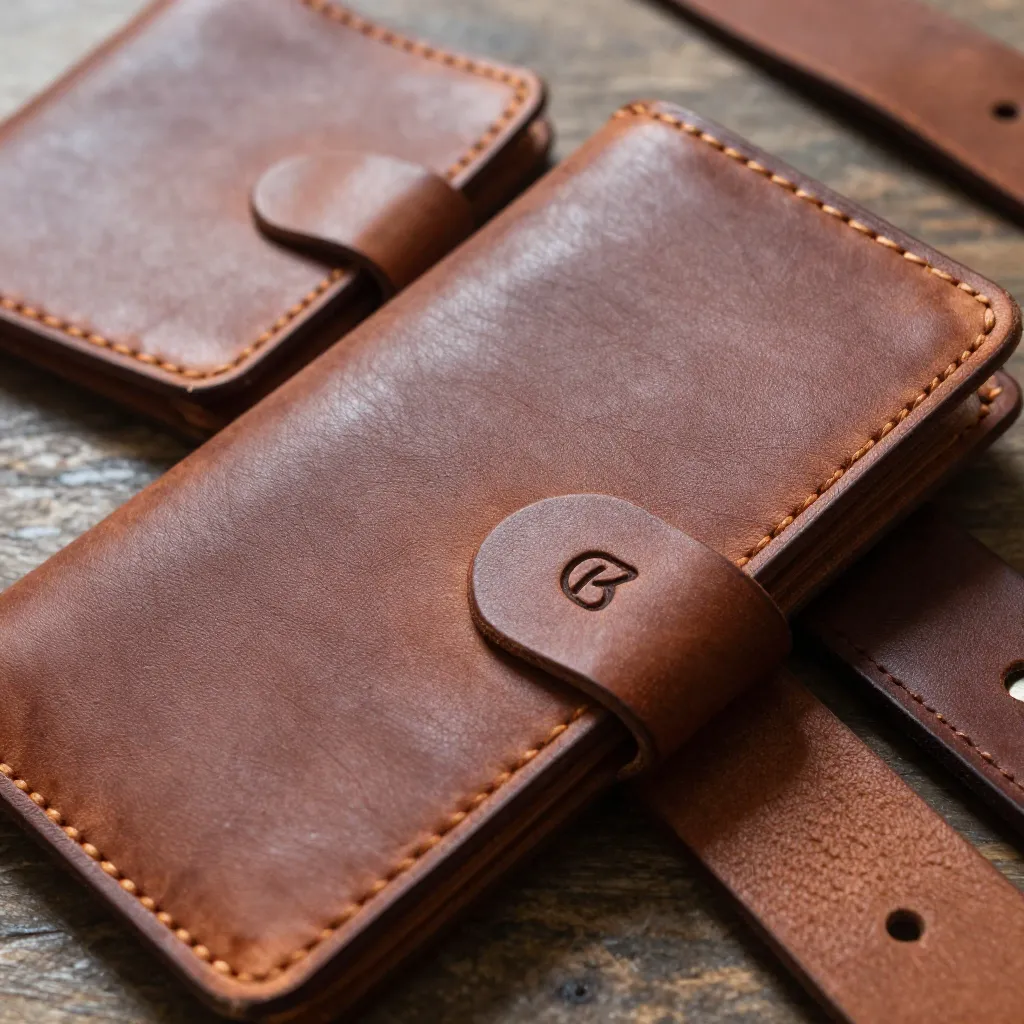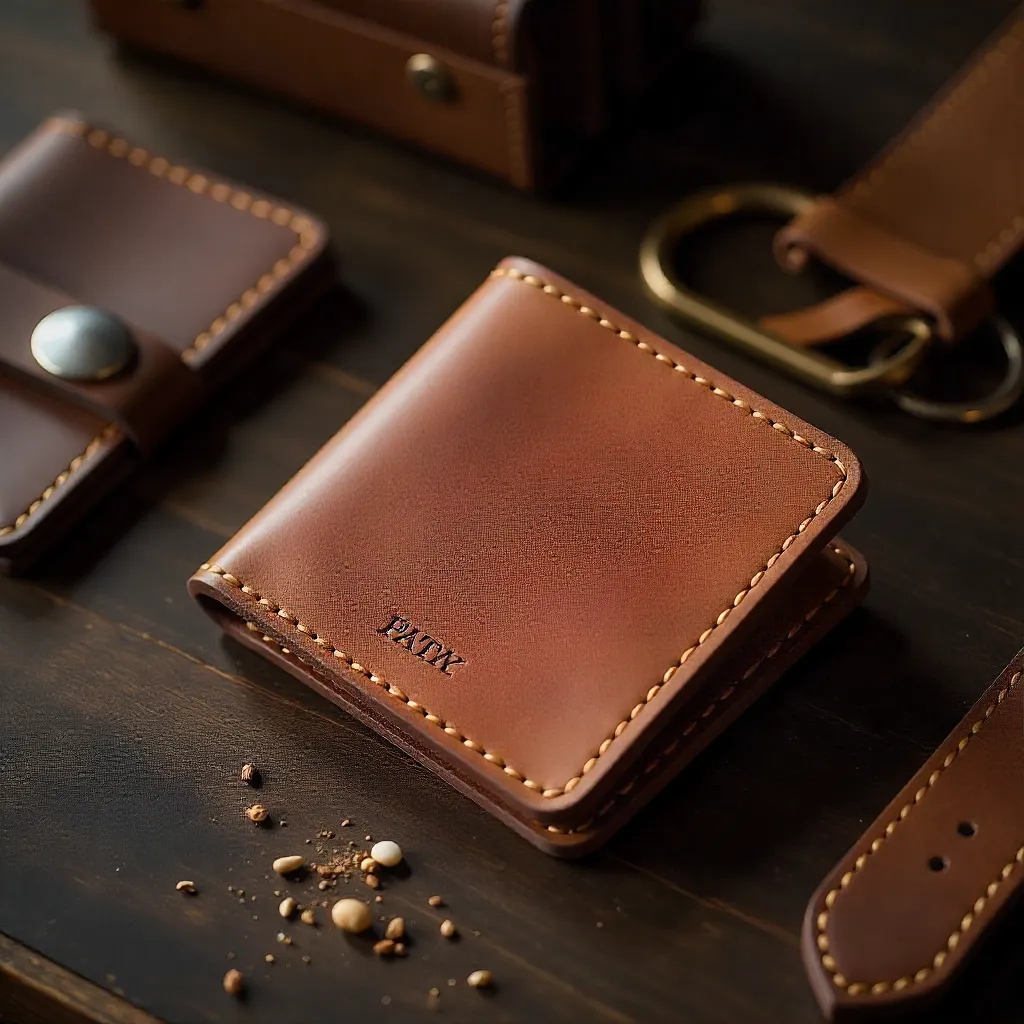
Natural Evolution
Understanding how premium leather transforms through use, developing unique character over time.
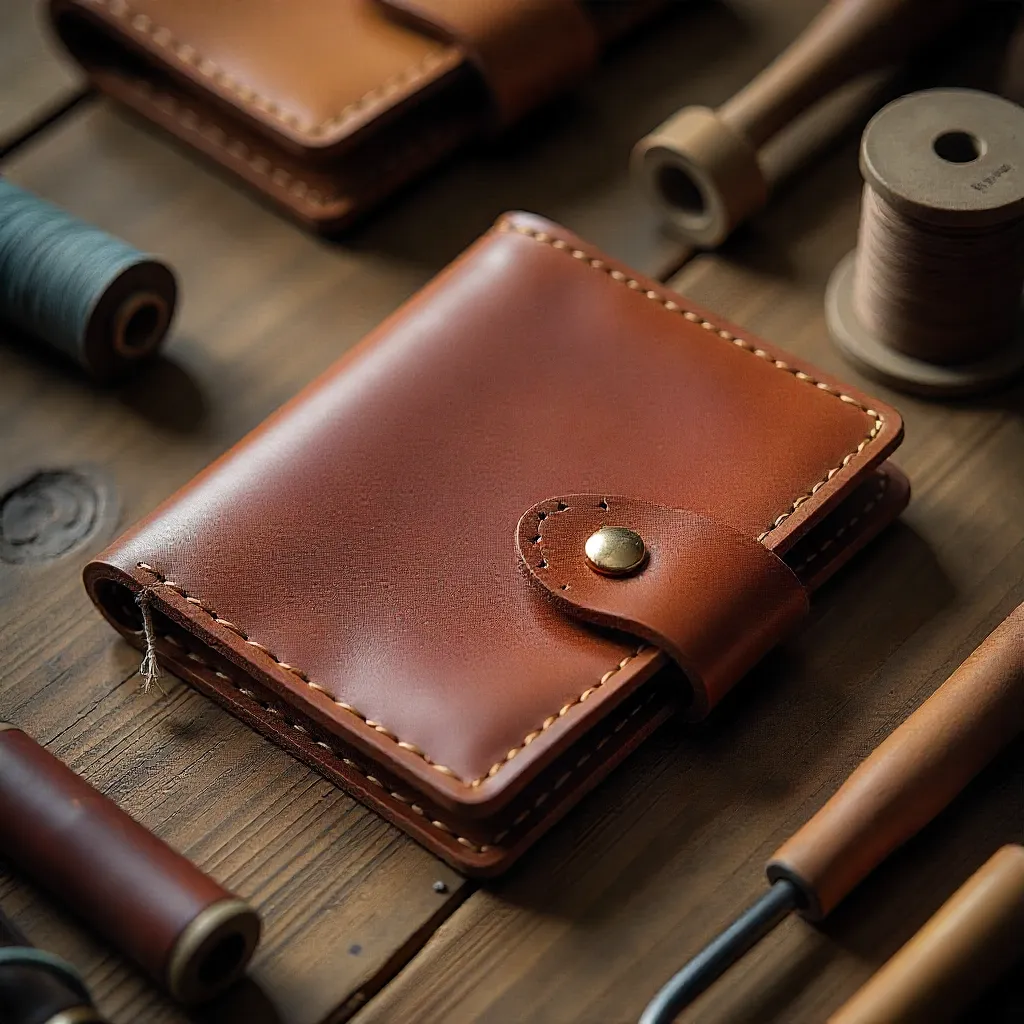
Day One: Fresh Surface
New leather presents a uniform appearance with consistent color and texture across the surface.
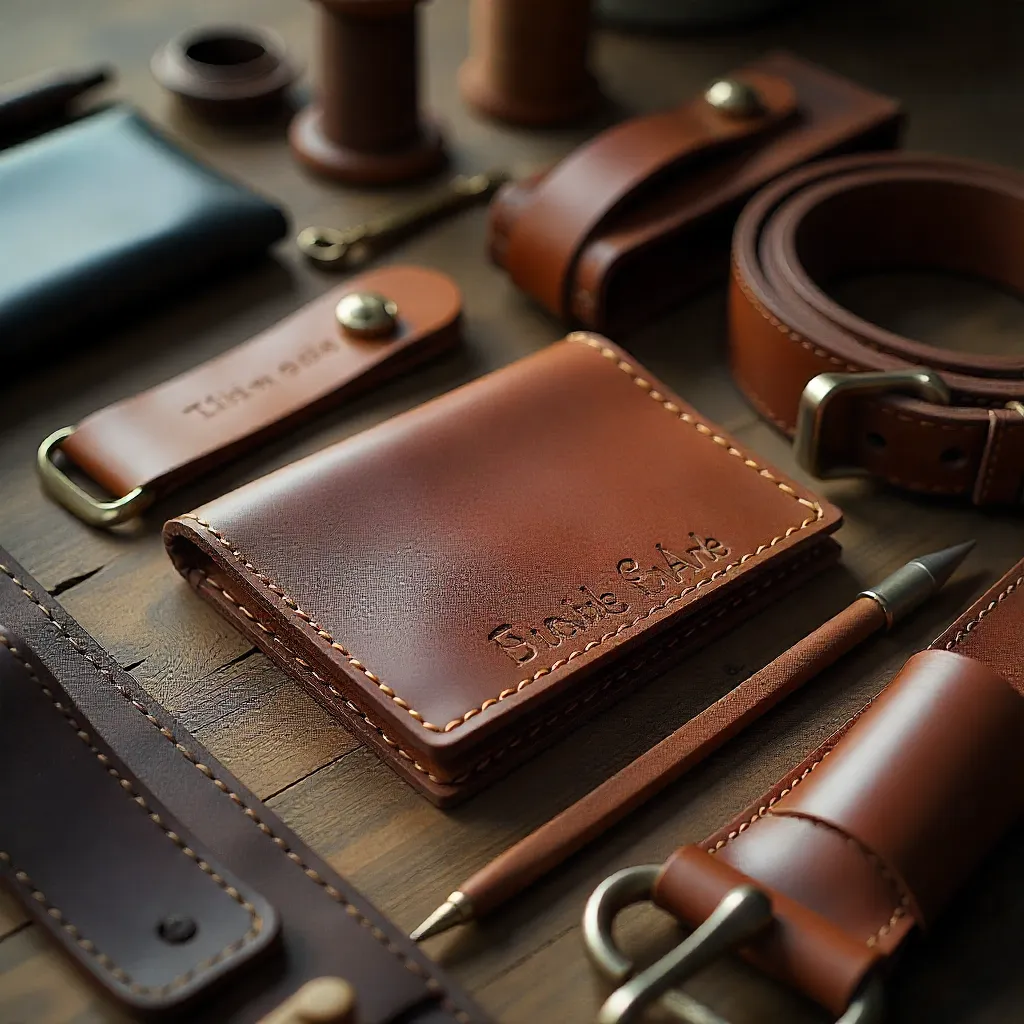
Surface Characteristics
Initial texture reflects the natural grain pattern of the hide, with minimal variation in tone and finish.
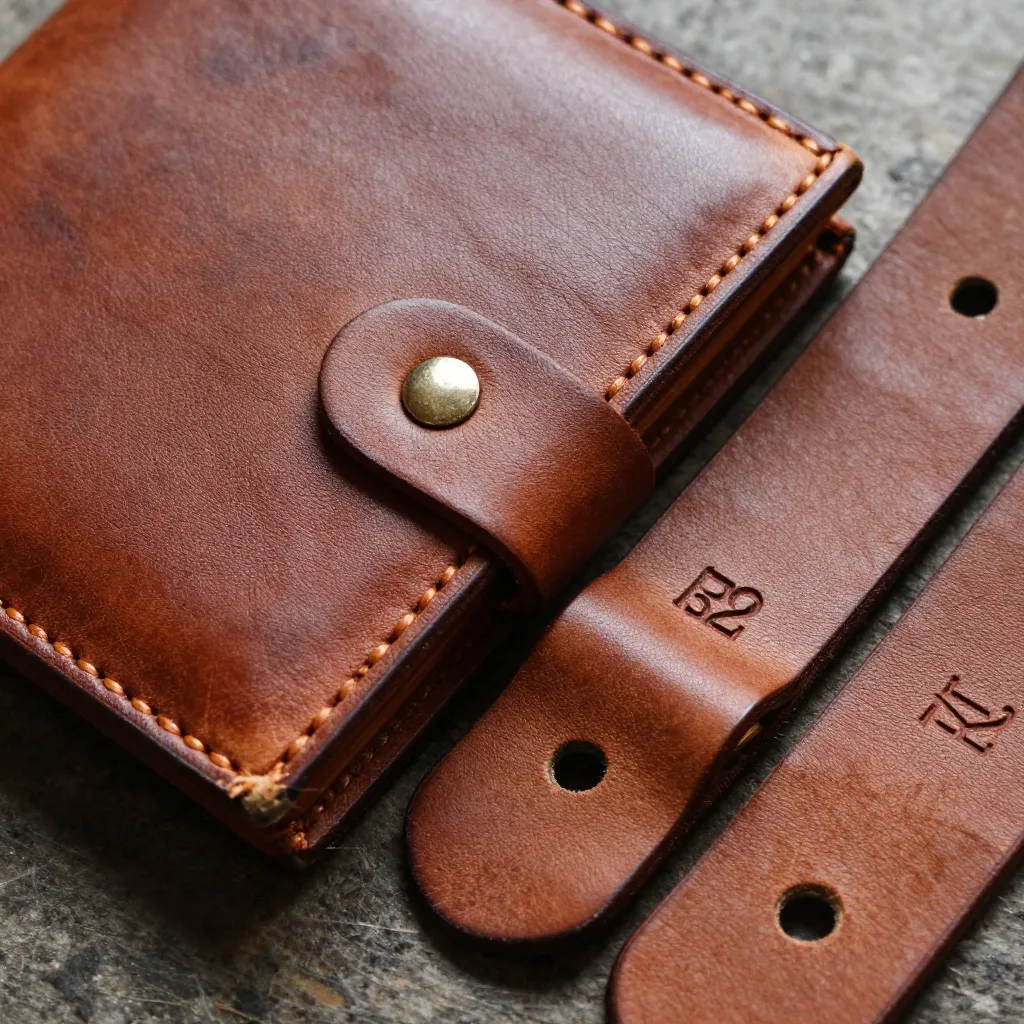
Color Uniformity
Dye application creates even coloration, providing a consistent base for future patina development.
Months One to Six
Initial signs of use begin to appear as the leather responds to handling and environmental exposure.
Surface Softening
Natural oils from handling begin to penetrate the surface, creating a softer texture and slight darkening in high-contact areas.
Friction Patterns
Repeated contact points develop subtle variations in sheen and color, indicating areas of regular use.
Edge Darkening
Exposed edges may show initial darkening as they interact with oils and environmental moisture.
Year One to Three
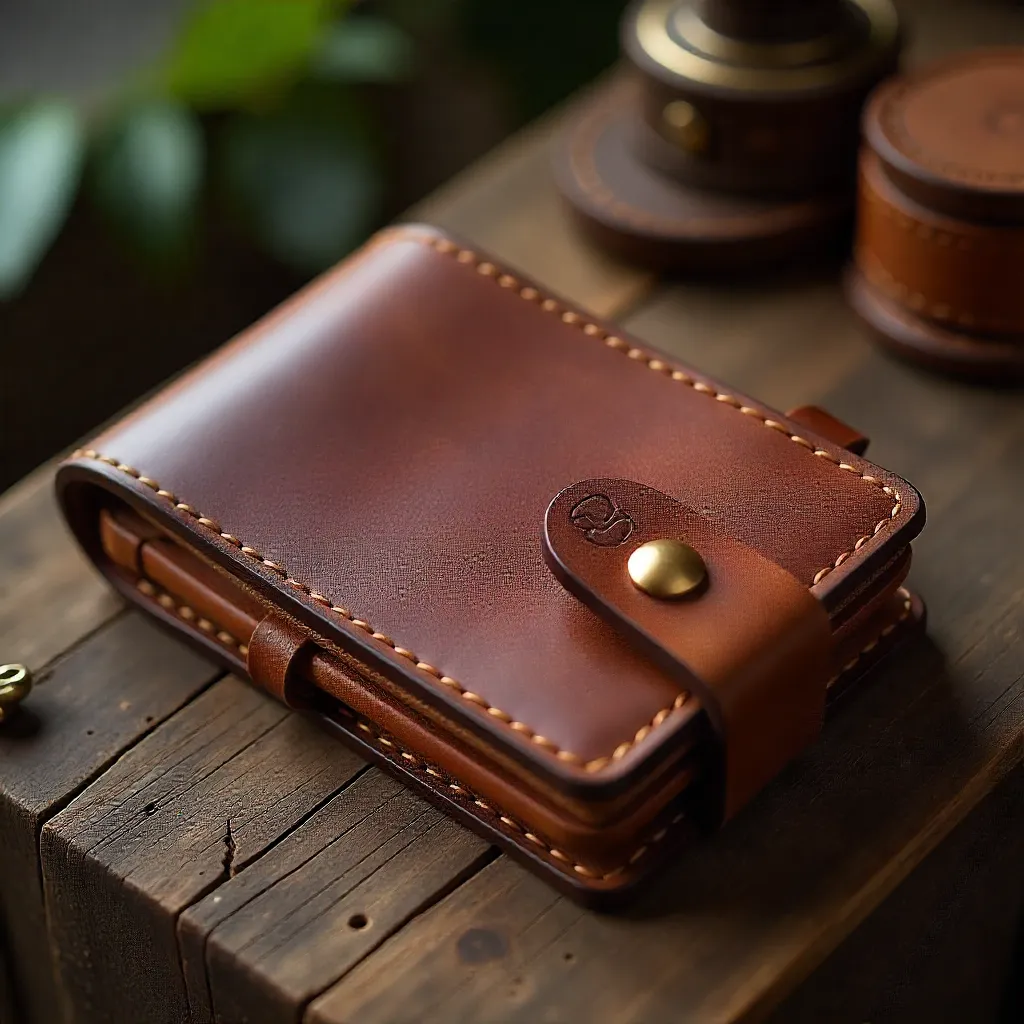
Distinctive patina patterns emerge, creating unique visual character that reflects usage patterns.
Color Variation
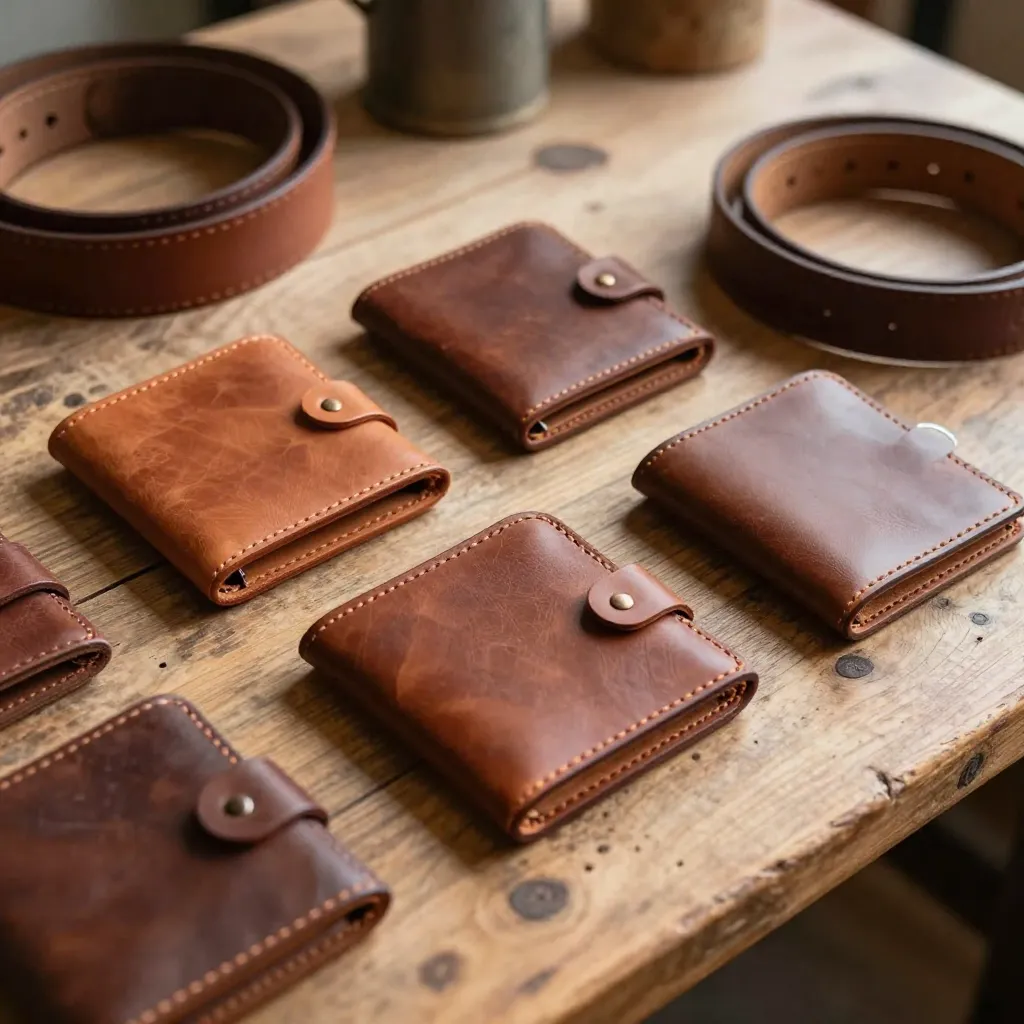
Surface tones develop depth and variation, with darker areas in high-contact zones and lighter regions in less-used sections.
Texture Evolution
Grain patterns become more pronounced, and surface texture reflects the natural wear patterns of regular use.
Years Five to Ten
Fully developed patina creates a rich, personalized appearance unique to each piece.
Deep Color Saturation
Long-term oil absorption creates rich, deep tones that enhance the natural character of the leather.
Individual Character
Each piece develops unique patterns based on usage, creating a one-of-a-kind appearance.
Structural Integrity
Well-maintained leather maintains its structural properties while developing visual character.
Maintenance Considerations
Proper care ensures patina development enhances rather than compromises the material's longevity.