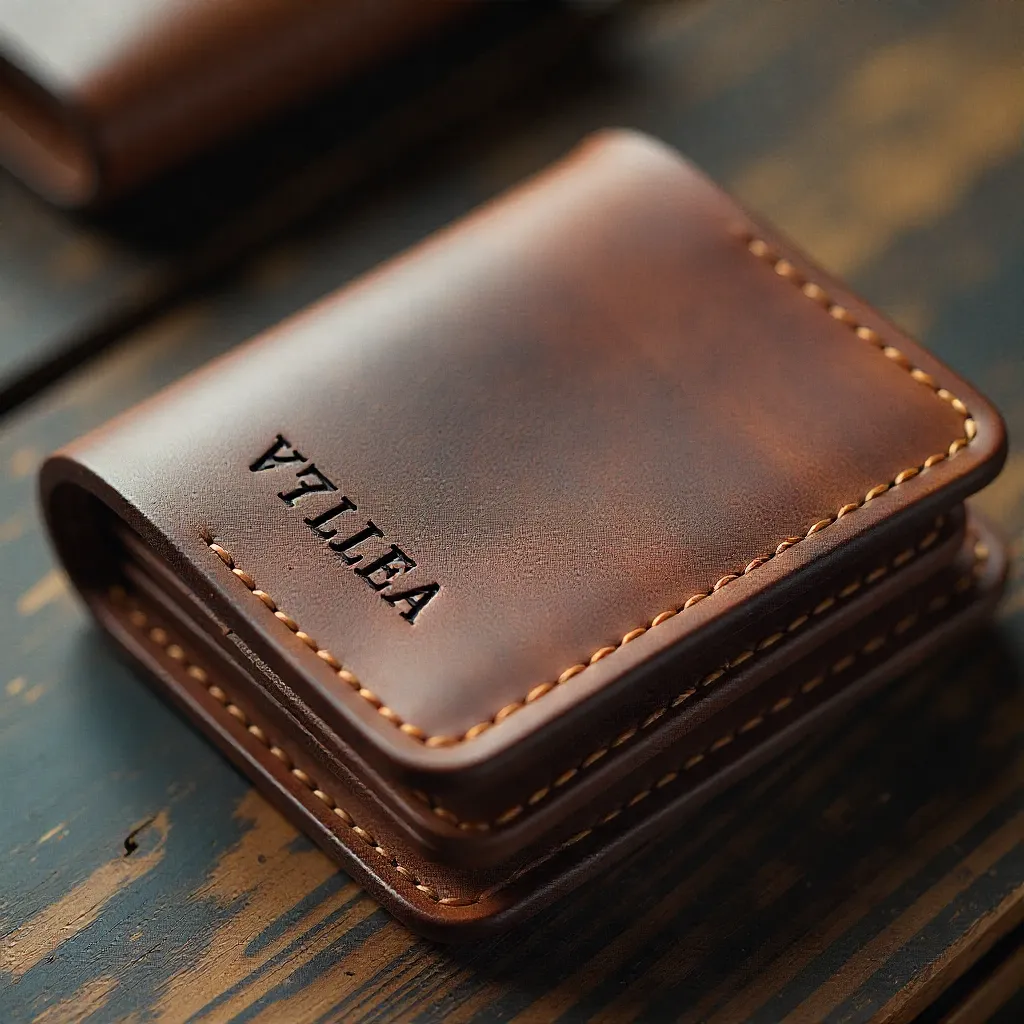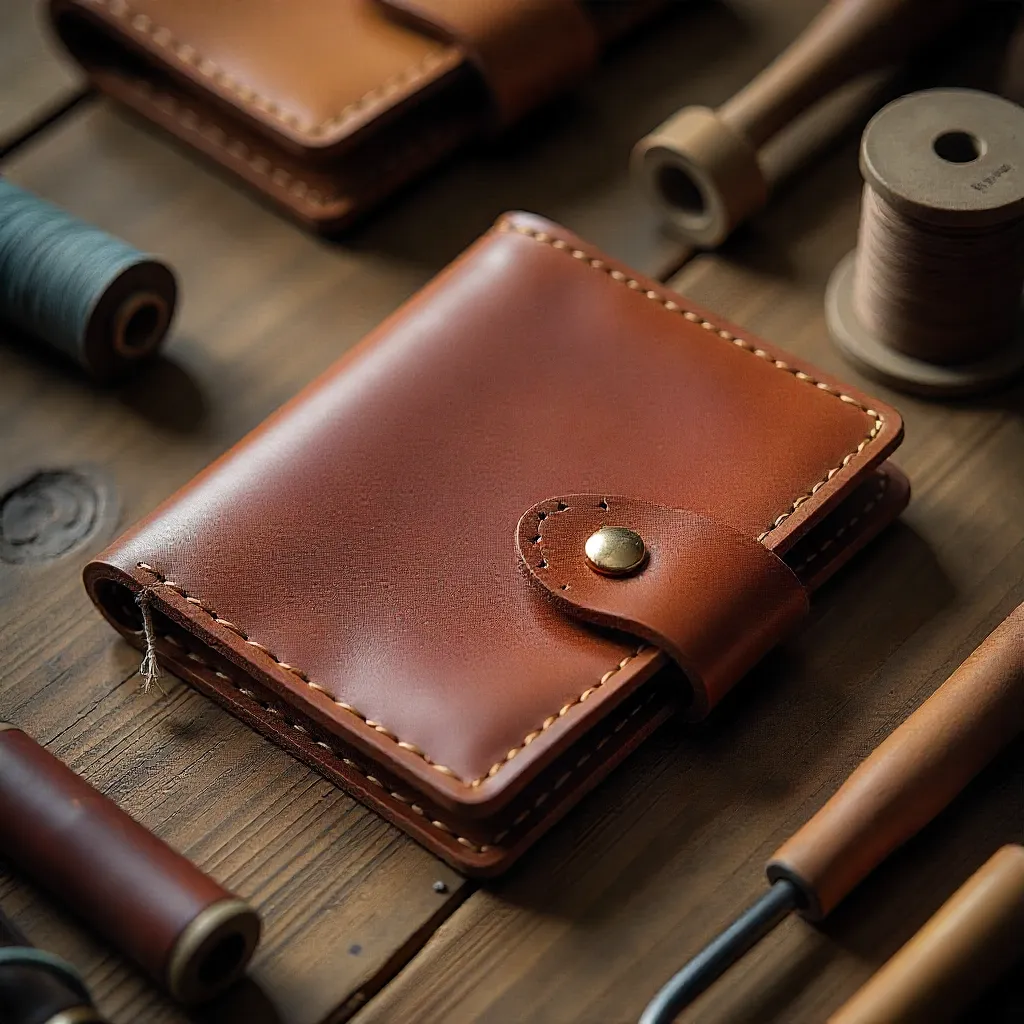
Structural Deconstruction
Understanding the individual components that create a durable, functional leather accessory.
Outer Shell Layer
The primary surface material that defines appearance, texture, and initial durability characteristics.
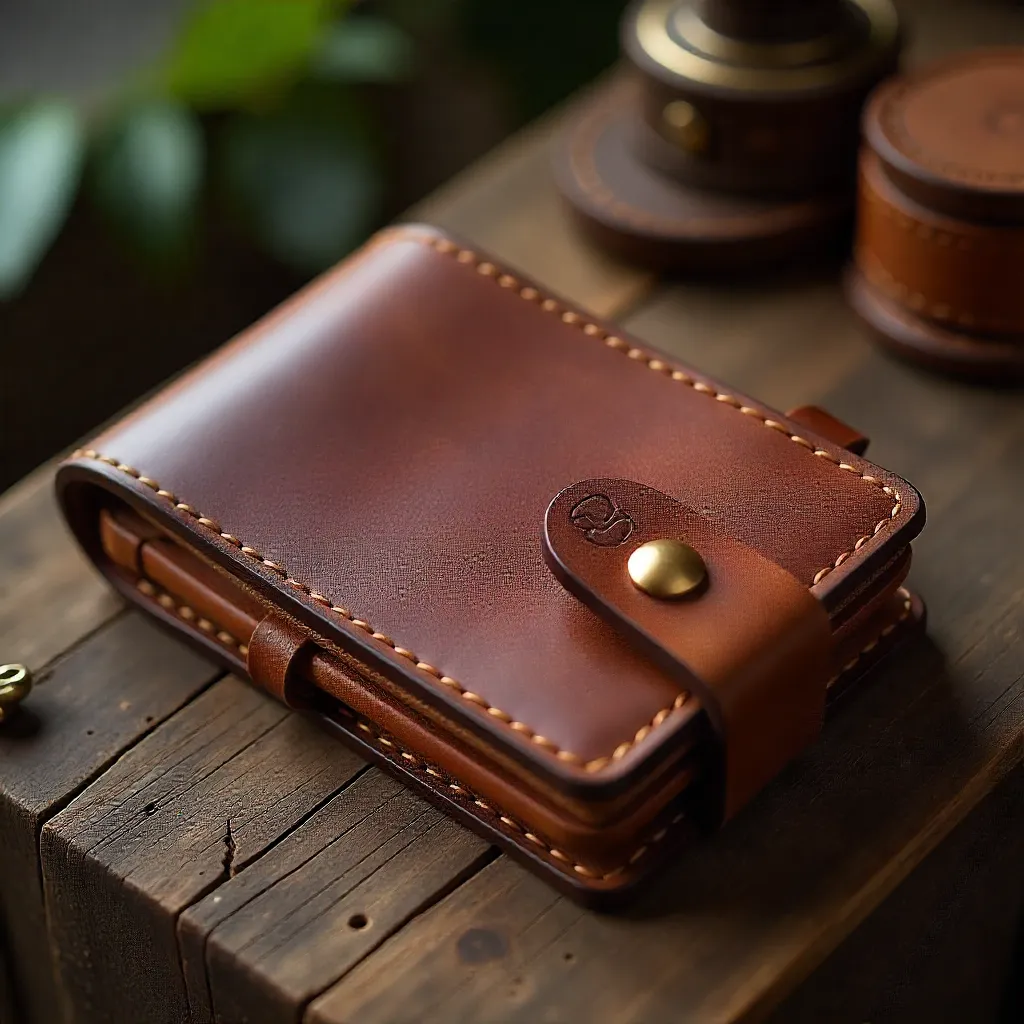
Material Thickness
Full-grain leather typically ranges from 1.2mm to 2.0mm depending on the intended application. Thicker materials provide structural support, while thinner sections allow for flexibility.
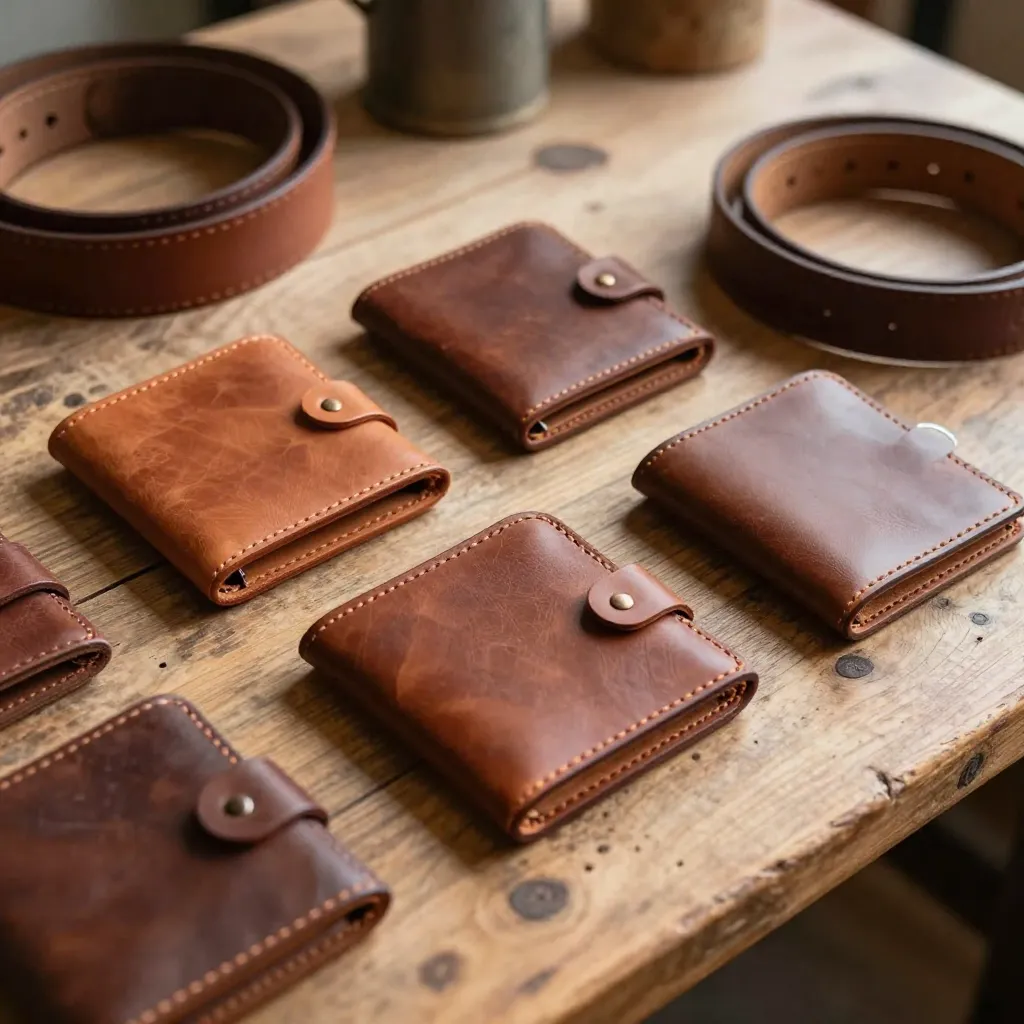
Grain Characteristics
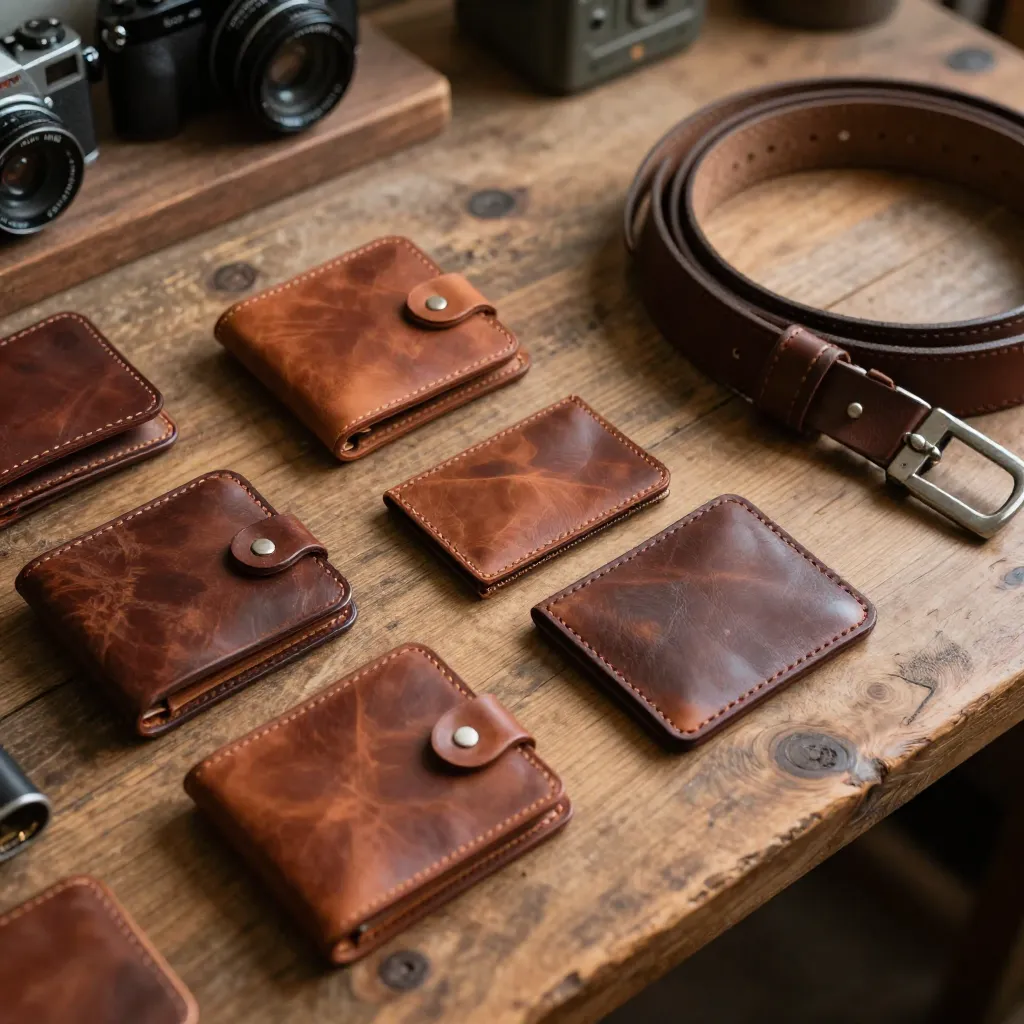
Natural grain patterns vary between hides, creating unique surface textures. These variations contribute to the individual character of each piece.
Interior Lining
The inner surface that protects contents and provides structural reinforcement.
Lining Thickness
Interior linings typically measure 0.8mm to 1.2mm, providing protection without adding excessive bulk to the overall construction.
Material Origin
Linings are selected from compatible leather grades that complement the outer shell while maintaining consistent quality standards.
Attachment Method
Linings are secured using adhesive bonding and edge stitching, ensuring they remain in place throughout the product's lifespan.
Thread System
High-tensile thread creates durable seams that can be maintained and repaired over time.
Thread Specifications
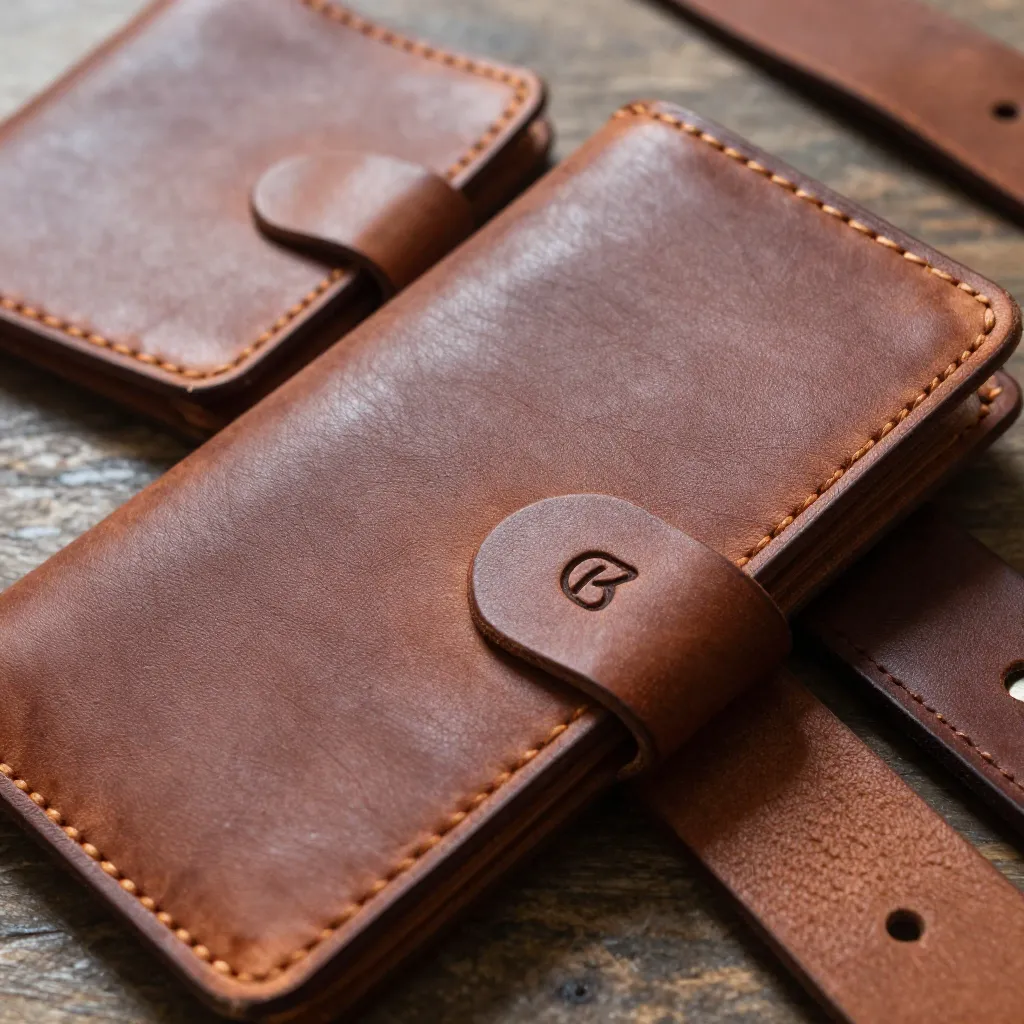
Waxed polyester or linen thread in appropriate thickness provides the necessary strength for structural seams. Thread diameter is matched to material thickness and stress requirements.
Stitch Density
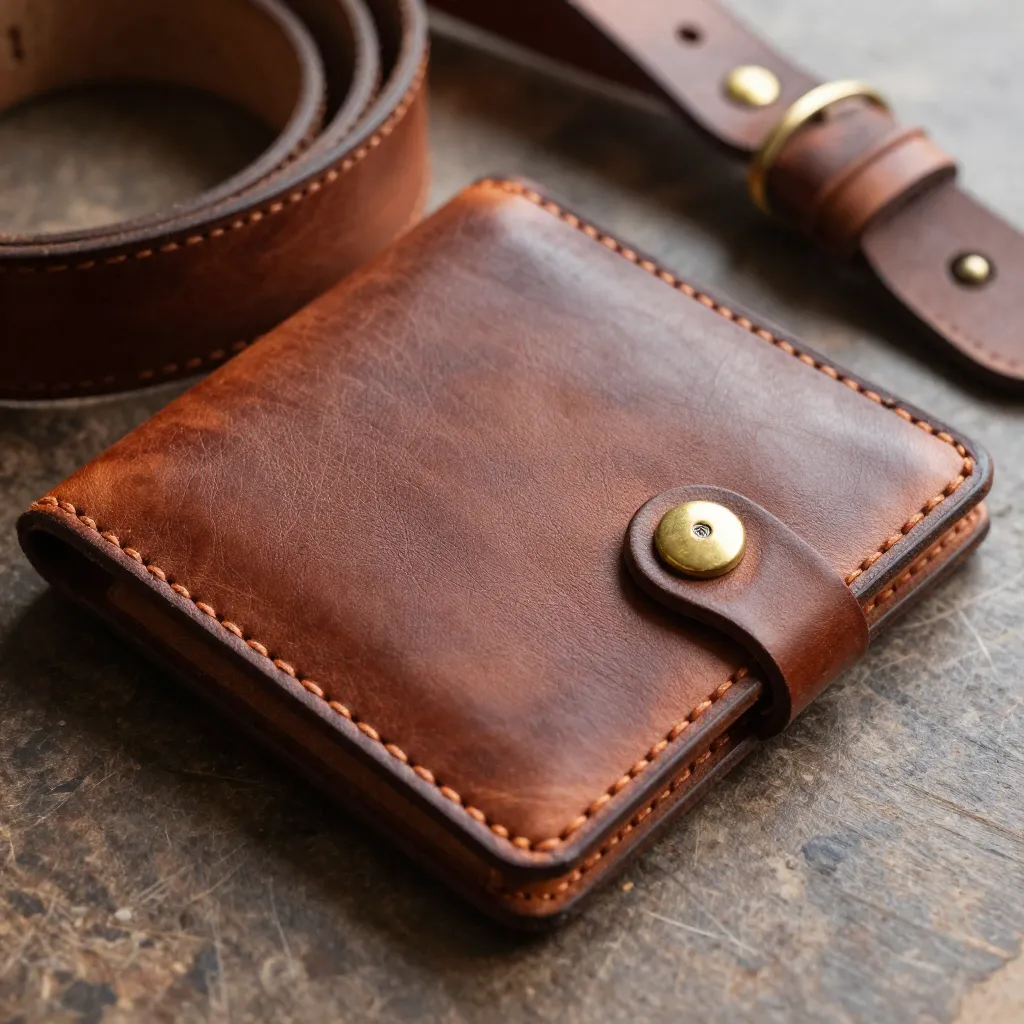
Stitch spacing is calculated based on material properties and expected load. Typical spacing ranges from 3mm to 5mm, balancing strength with aesthetic appearance.
Hardware Integration
Metal components provide functionality while maintaining structural integrity.
Attachment Points
Hardware is secured using reinforced leather tabs and precision stitching to distribute stress evenly across attachment areas.
Material Compatibility
Hardware materials are selected to prevent corrosion and maintain appearance when in contact with leather surfaces.
Load Distribution
Design considerations ensure that hardware attachments don't create weak points in the overall structure.
Maintenance Access
Hardware is positioned to allow for cleaning and maintenance without compromising the leather construction.